Educational familiarization only. This TechOpsBase resource is an original learning transformation grounded in a privately supplied B737 MAX ATA 21 source. It does not reproduce manufacturer task steps, limits, figures or controlled maintenance instructions. Current approved data and aircraft effectivity control real work.
What this resource teaches
Connect zone temperature demand, trim-air control, recirculation and avionics/equipment cooling without treating them as unrelated subsystems.
Temperature is a feedback problem
Zone temperature control is best understood as a feedback loop: a target is compared with sensed temperature, controllers command available heating/cooling authority, and the resulting cabin condition feeds back into the loop. A bad sensor can therefore create a control symptom without a failed airflow path.
Trim air changes the final mixture
The source includes trim-air temperature-control hardware. Conceptually, the pack supplies conditioned air and trim-air logic can adjust the final zone result. This means a local hot/cold complaint may be downstream of otherwise healthy pack production.
Recirculation is part of the thermal picture
Recirculation fans move cabin air back into the distribution system, affecting flow balance and thermal load. Fan status alone is not the same as proven airflow; restrictions, duct condition and sensor feedback also matter.
Equipment cooling is its own protected airflow path
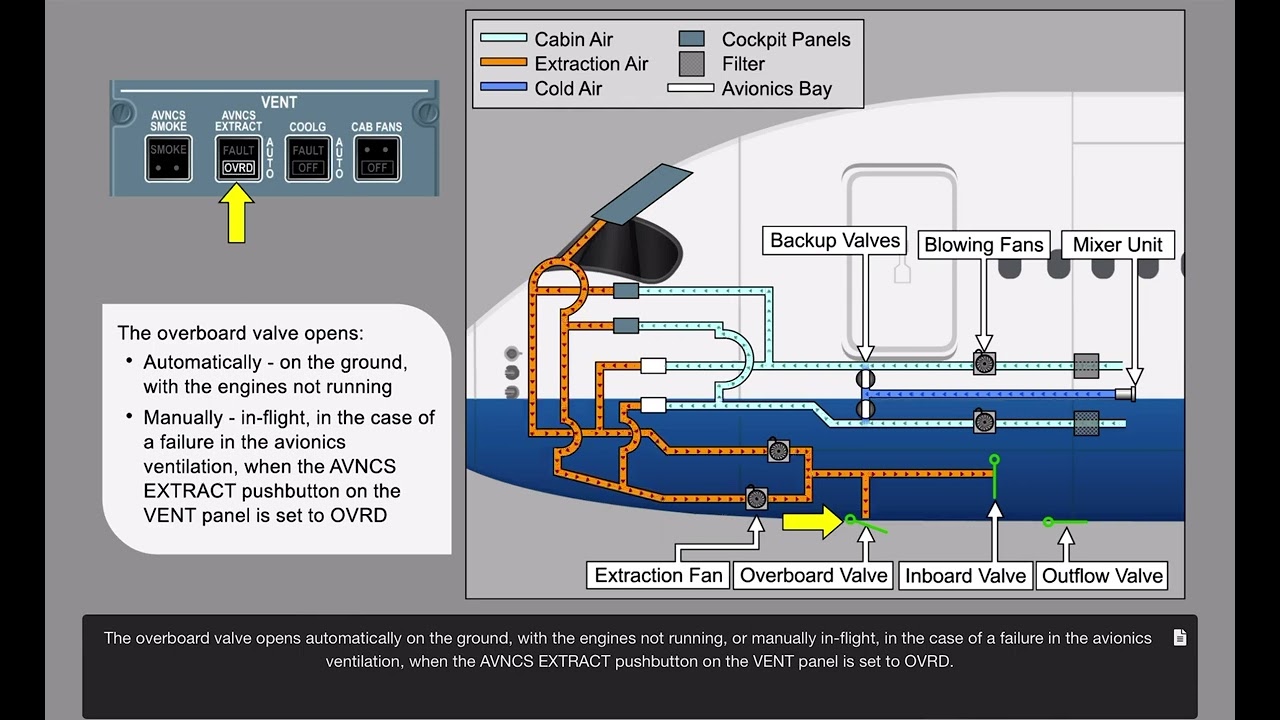
ATA 21 includes equipment-cooling fans, low-flow sensing and smoke-related configurations. The purpose is reliable heat removal from electronic equipment. A fan command, a fan running state and actual cooling airflow should be treated as separate evidence.
Reasoning pattern
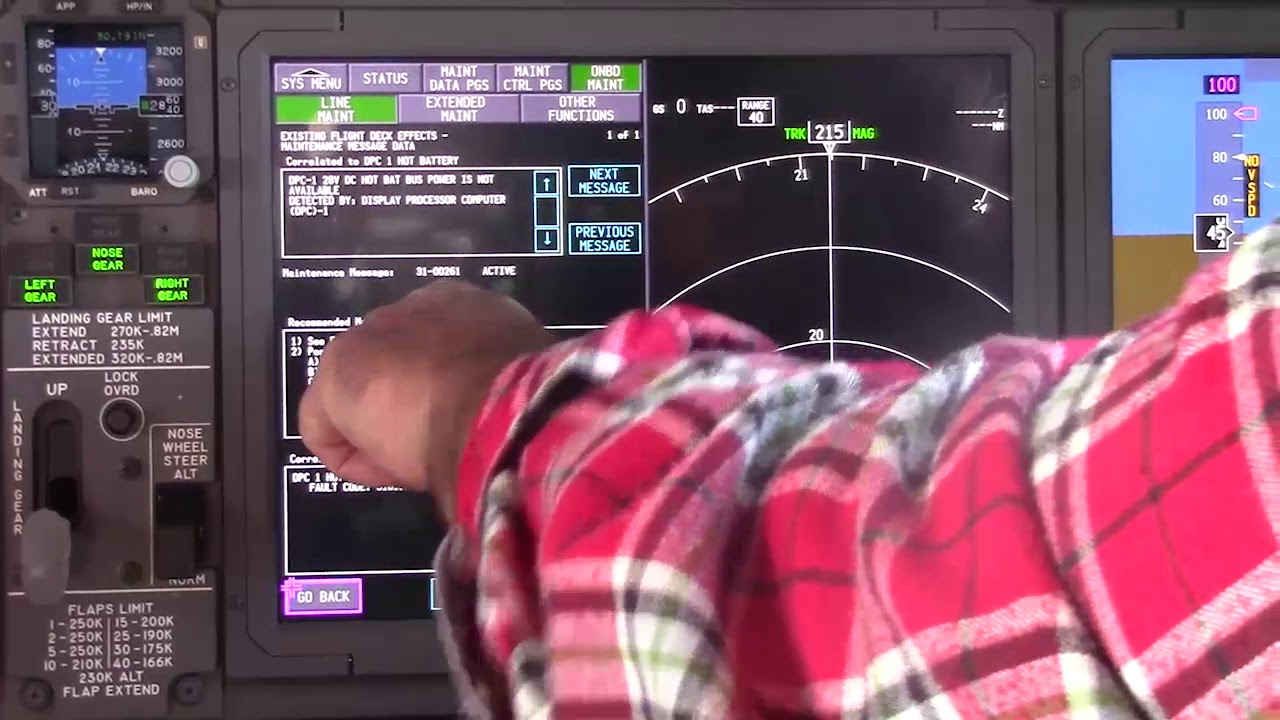
For a temperature or cooling complaint, separate demand/sensing ? controller logic ? airflow/valve response ? actual temperature/flow result. That same pattern later becomes useful in ATA 31 maintenance-data pages.
Put this topic into the wider system
Upstream/downstream boundary
ATA 21 is highly dependent on ATA 36. When cabin airflow or cooling is weak, treat pneumatic source condition and pack/air-conditioning condition as separate hypotheses. Once conditioned air exists, distribution, recirculation, local trim demand and sensing become downstream branches. This simple boundary is valuable because it prevents replacing an ATA 21 component for an upstream air-supply problem.
Thermal condition changes the evidence
Cooling performance is influenced by heat load and the ability to reject heat. Ground operation, airflow around heat exchangers, cabin load and the state of recirculation can change the observed result even when the same hardware is installed. A useful technical note therefore records conditions as well as indications.
Deeper system reasoning
Temperature control is a demand-versus-result loop
Zone-temperature control is best understood as a closed reasoning loop: selected or computed demand is compared with sensed temperature, controllers command the available heating/cooling path, and the resulting zone temperature is measured again. Trim-air and distribution functions belong downstream of the basic pack-cooling process. If one zone differs from others, compare the shared pack source with local zone sensing/distribution before assuming the common source is defective.
Technician evidence matrix
Record the affected zone/function, pneumatic source condition, pack/flow state, temperature demand versus sensed result, recirculation/equipment-cooling status and pressure-control evidence.
Before using a maintenance message as a conclusion, note what independent evidence agrees with it and what evidence does not. If an alternate source, channel or display changes the symptom, record that explicitly because it can separate a common path from a source-specific path. Preserve configuration and event conditions in the handover so the next technician does not have to rebuild the diagnostic context from memory.
Evidence-first study method
For any system complaint, separate source/input, control logic, physical response, sensing/indication and consumer/result. When two layers disagree, that disagreement is useful evidence. Do not turn that evidence into a maintenance action until the applicable approved fault-isolation or maintenance data is open.
Approved-data boundary
Educational system explanation only. Do not use this page to perform maintenance, operate aircraft systems, isolate components or determine dispatch status. Current approved maintenance data, aircraft effectivity and operator procedures control real aircraft work.