Educational familiarization only. This TechOpsBase resource is an original learning transformation grounded in a privately supplied B737 MAX ATA 21 source. It does not reproduce manufacturer task steps, limits, figures or controlled maintenance instructions. Current approved data and aircraft effectivity control real work.
What this resource teaches
Understand the pack as an energy-conversion chain rather than a single replaceable unit.
What the pack is doing
The pack accepts pneumatic air and removes heat before delivering conditioned air to the distribution system. Pack flow control and cooling performance are therefore separate questions: air can be present without being cooled correctly, and a cooling machine cannot help if usable flow never reaches it.
Ram-air heat rejection
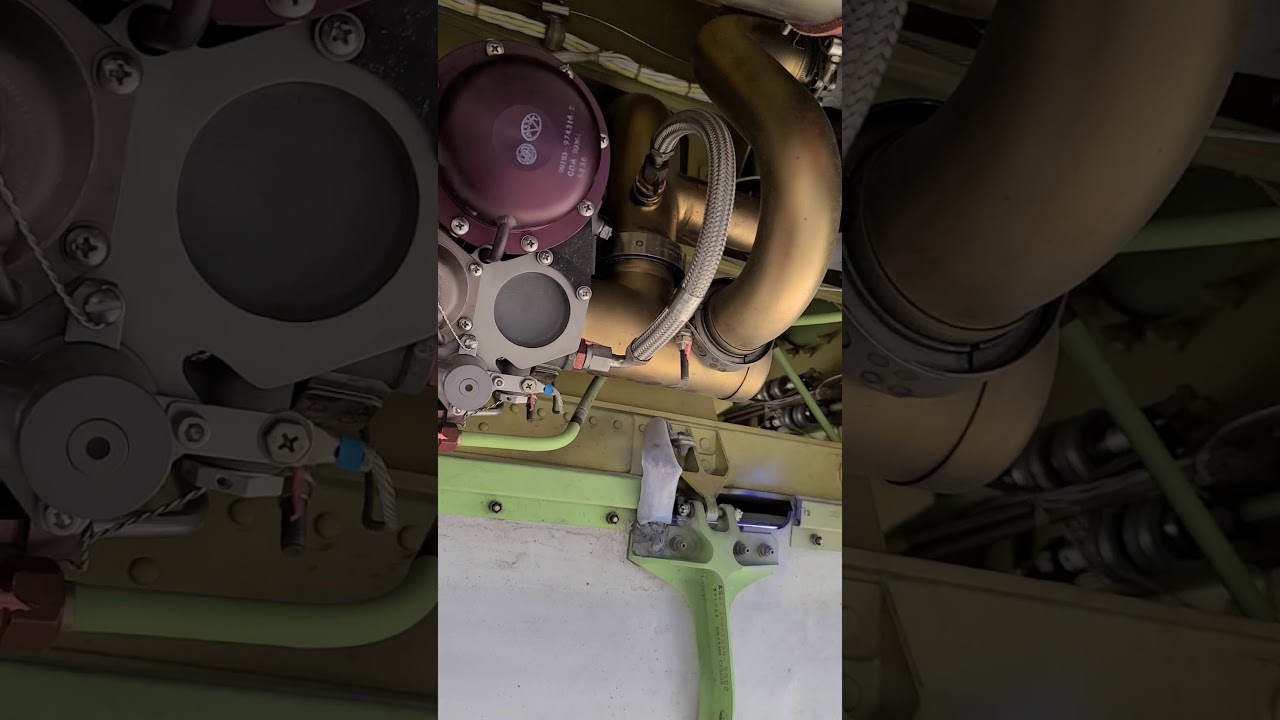
The source material includes pack cooling and ram-air elements. The key concept is heat rejection: hot pneumatic air must transfer heat to another airflow before the air-cycle process can deliver a useful cabin supply. Ground and flight conditions can therefore change the thermal environment around the same pack.
Control versus physical response
A commanded pack state, valve position or display indication is only part of the evidence. A technician should distinguish controller command, valve/actuator response, actual airflow and resulting temperature. Agreement across those layers is stronger evidence than any one indication.
Cross-system dependency
Because pack operation depends on pneumatic supply, ATA 21 and ATA 36 should be studied together. A low or unstable upstream supply can appear as poor cooling performance even when ATA 21 hardware is not the primary cause.
Learning boundary
TechOpsBase explains the architecture and evidence relationships. Pack pressure, temperature limits, isolation steps and task sequences remain in current approved data.
Put this topic into the wider system
Thermal condition changes the evidence
Cooling performance is influenced by heat load and the ability to reject heat. Ground operation, airflow around heat exchangers, cabin load and the state of recirculation can change the observed result even when the same hardware is installed. A useful technical note therefore records conditions as well as indications.
Display evidence is one layer
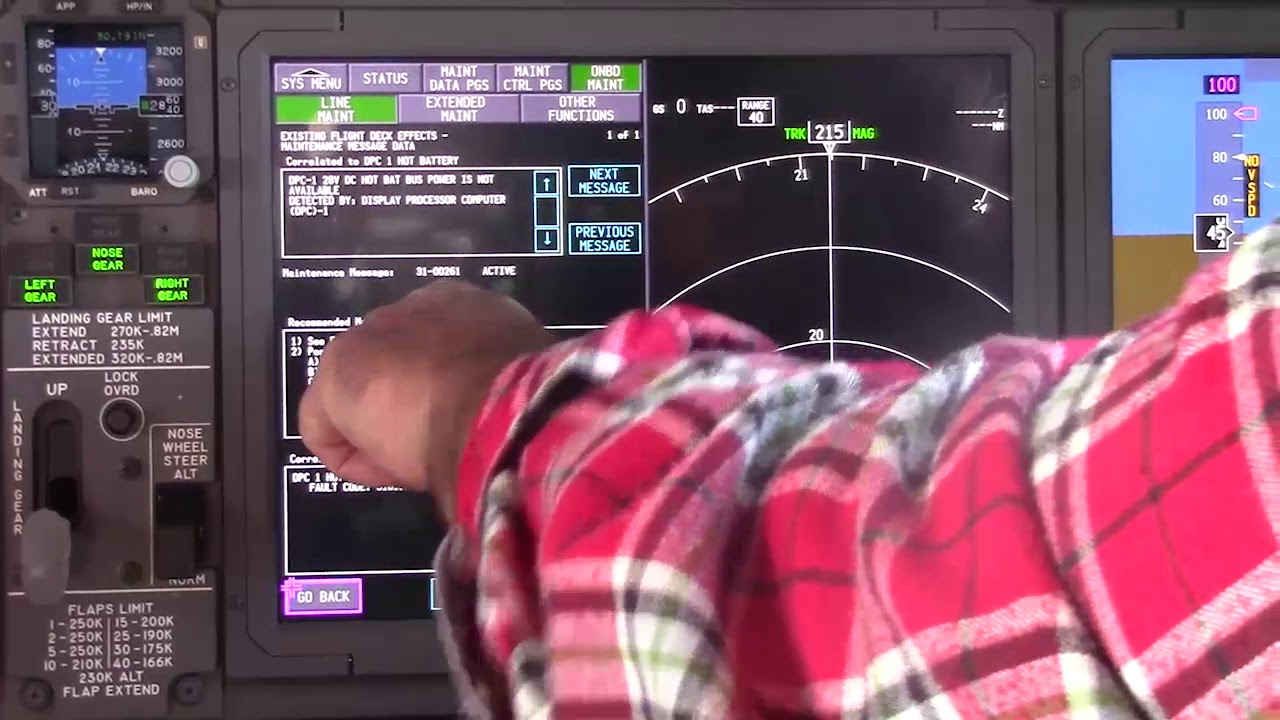
Pack, temperature and pressure indications depend on sensors, controller logic and display paths. Compare the displayed state with independent physical or maintenance-data evidence before deciding whether the indication describes the real air/temperature/pressure condition.
Deeper system reasoning
Pressurization and equipment cooling deserve separate branches
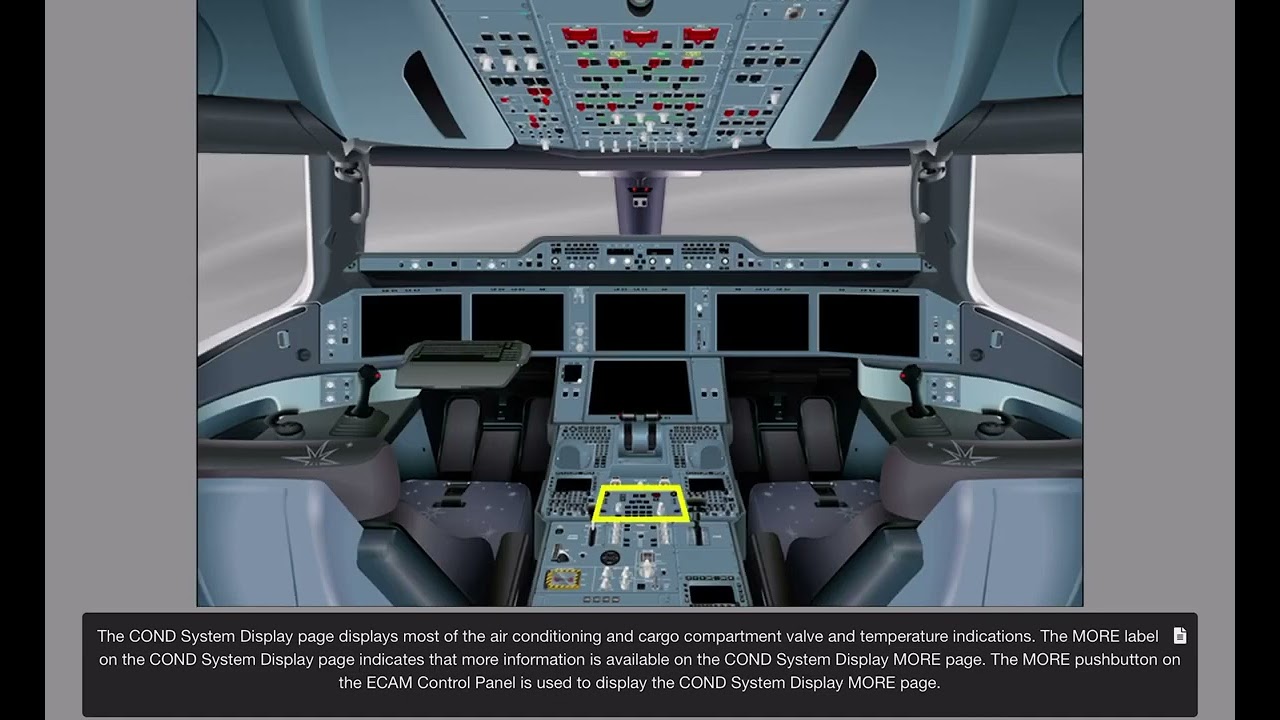
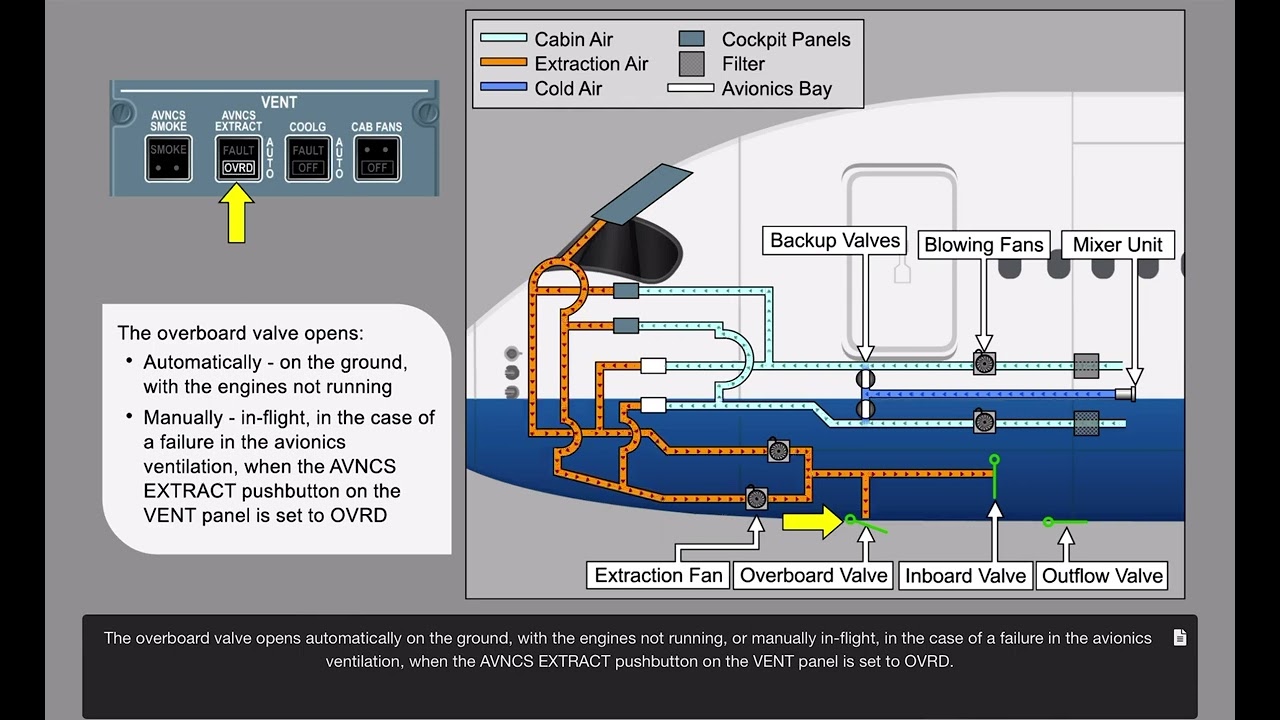
The chapter includes cabin-pressure controllers and outflow-valve control as well as equipment-cooling fans and airflow paths. Both sit inside ATA 21, but their physics and evidence are different. Cabin pressure is a mass-balance/control problem involving inflow and controlled outflow; equipment cooling is a local ventilation/heat-removal problem. Keeping those branches separate makes mixed symptoms easier to interpret and prevents a broad ATA label from hiding the actual function being diagnosed.
Follow the airflow in layers
For study, trace ATA 21 in layers rather than as one environmental-control box. Begin with usable source air entering the pack. Then follow flow-control and cooling, the mix/distribution path, recirculation contribution, zone-temperature demand and finally cabin-pressure control as a related but separate function. The supplied chapter also treats equipment cooling as its own airflow problem. This layered view explains why a cabin complaint can be caused upstream by air supply, inside the cooling pack, downstream in distribution, or in sensing/control without those being the same failure mode.
Technician evidence matrix
Record the affected zone/function, pneumatic source condition, pack/flow state, temperature demand versus sensed result, recirculation/equipment-cooling status and pressure-control evidence.
Before using a maintenance message as a conclusion, note what independent evidence agrees with it and what evidence does not. If an alternate source, channel or display changes the symptom, record that explicitly because it can separate a common path from a source-specific path. Preserve configuration and event conditions in the handover so the next technician does not have to rebuild the diagnostic context from memory.
Evidence-first study method
For any system complaint, separate source/input, control logic, physical response, sensing/indication and consumer/result. When two layers disagree, that disagreement is useful evidence. Do not turn that evidence into a maintenance action until the applicable approved fault-isolation or maintenance data is open.
Approved-data boundary
Educational system explanation only. Do not use this page to perform maintenance, operate aircraft systems, isolate components or determine dispatch status. Current approved maintenance data, aircraft effectivity and operator procedures control real aircraft work.