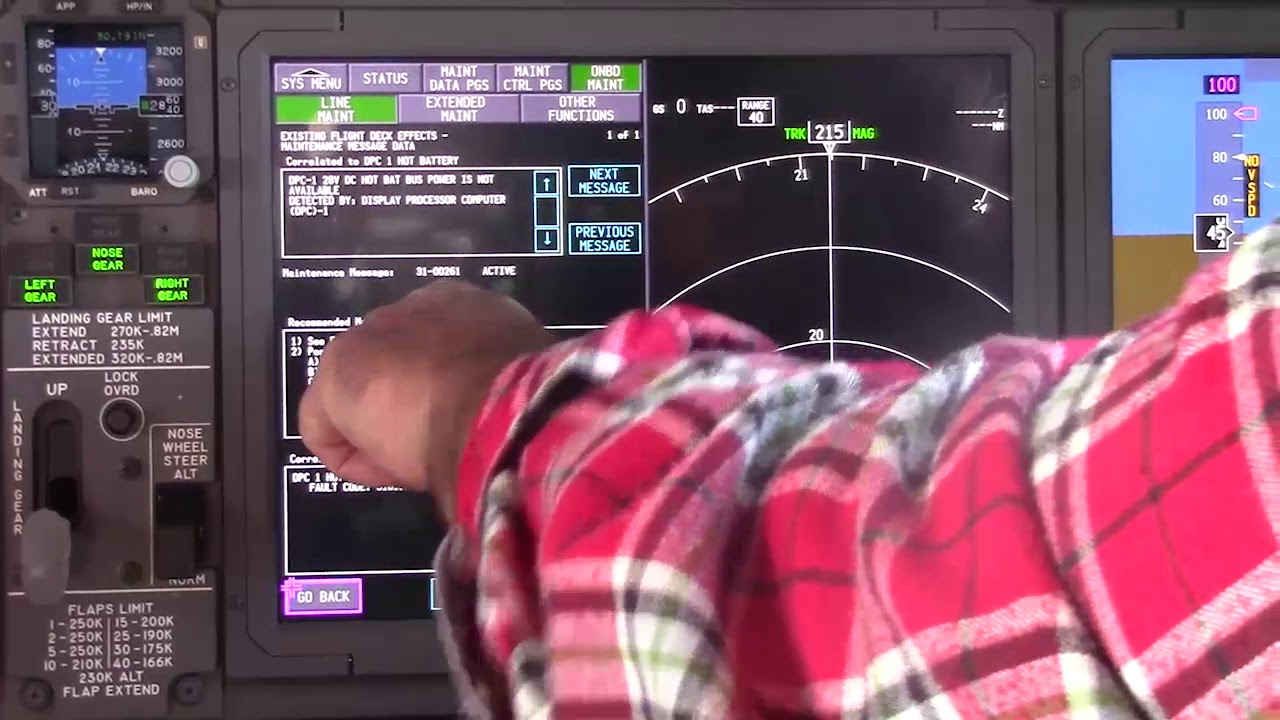
The display is evidence, not the hydraulic system
A hydraulic pressure value or LOW PRESSURE light is important, but it is the end of an information chain. The physical hydraulic condition exists first; a sensor or switch converts that state to an electrical signal; aircraft logic carries/interprets the signal; then the crew/technician sees an indication.
A disciplined technician keeps those layers separate. If the indication says low pressure but multiple independent system effects suggest normal hydraulic capability, the indication chain becomes significant. If the indication and consumer behavior agree, the source/distribution side becomes more significant.
Pressure is not flow
ATA 29 contains internal-leakage checks that measure hydraulic flow directly or infer flow from electric-pump current. That is a powerful teaching point. A system may establish pressure in a lightly loaded/static condition and still lose effective performance if leakage consumes too much available flow when demand increases.
So ask two different questions:
- Can the source create pressure?
- Can the system sustain the flow demanded by the active consumers?
A pressure indication answers only part of the second question.
Nominal pressure orientation
Within the source maintenance checks, a fully pressurized A or B system is commonly evaluated in a region around 2800–3200 psi. Treat that as system orientation, not a universal maintenance criterion. Approved task data determines what pressure is acceptable for a specific test and configuration.
The useful learning point is the scale: the main hydraulic systems operate at thousands of psi, so stored energy and unintended movement are serious hazards even when a troubleshooting step sounds routine.
LOW PRESSURE lights
The source material uses pump low-pressure indications as evidence during pump/pressure-switch checks. A LOW PRESSURE light therefore represents pressure at a particular sensing point and the corresponding indication chain.
When using that evidence conceptually, keep these possible layers distinct:
- pump is not producing required hydraulic output;
- fluid supply/inlet condition prevents normal pump performance;
- pressure is being lost downstream through leakage or an abnormal path;
- pressure switch/transmitter does not represent the physical state correctly;
- electrical/control/display path does not represent the sensor correctly.
The approved FIM decides how to separate those branches on the aircraft. TechOpsBase's role is to make the branches intelligible before you open the FIM.
Residual pressure changes the safety picture
ATA 29 explicitly distinguishes pressure-source removal from full depressurization. The source includes checks for residual pressure after hydraulic power removal and separate procedures for reservoir/system depressurization.
That distinction should influence both maintenance safety and diagnosis. If pressure is expected to decay and it does not—or decays faster than expected—that can be meaningful evidence about leakage, check valves, trapped pressure or the configuration being tested. But never improvise acceptance criteria from a learning article.
Correlate three evidence streams
A strong hydraulic assessment uses three categories of evidence:
1. Source evidence — which pump/source is available and commanded?
2. Hydraulic evidence — what do pressure/flow/quantity/temperature observations show?
3. Functional evidence — does the intended aircraft consumer behave as expected in the approved test configuration?
If all three agree, the conclusion is stronger. If they disagree, the mismatch tells you where to investigate next.
Avoid component-name anchoring
A warning light or maintenance message can make one component name feel like the diagnosis. Resist that shortcut. A pump low-pressure message may be caused by the pump, but it can also be produced by inlet conditions, downstream leakage, sensing or control. Treat a message as a symptom location in the information system, not automatically as a failed-part label.
That mindset is the bridge from memorizing ATA 29 to troubleshooting it.