Commercial Airliner
737 MAX
The Boeing 737 MAX is the later 737 single-aisle family using LEAP-1B engines, aerodynamic updates and other design changes intended to improve operating efficiency compared with the preceding 737NG generation.
Profile developing
LEARNINGLearn, read, refresh, watch and practiceUse this same aircraft profile to move into paths, technical resources, Quick Reference notes, videos and cases.
ATA SYSTEMSExplore this aircraft by ATA chapterMove into system overviews, connected learning and troubleshooting.
CHECK APPLICABILITYCompare indexed variantsConfirm the exact model, engine option and reviewed source before continuing.
FLEET CONTEXTFind indexed operatorsSee where this family appears in the operator directory.
TROUBLESHOOTINGOpen reviewed technical casesStudy privacy-cleared cases without replacing approved maintenance data.
OFFICIAL ROUTESUse the manufacturer source for controlled access.
EXPLORE BY ATA
All ATA systems →Study 737 MAX by system.
Jump from the aircraft profile into the ATA chapters that already have public learning content.
ATA 21Air Conditioning90% learning coverageATA 22Auto Flight90% learning coverageATA 24Electrical Power90% learning coverageATA 28Fuel90% learning coverageATA 29Hydraulic Power95% learning coverageATA 31Indicating / Recording Systems90% learning coverageATA 34Navigation90% learning coverageATA 36Pneumatic90% learning coverageATA 47Inert Gas / Nitrogen Generation System90% learning coverage
AIRCRAFT OVERVIEW
About 737 MAX
The 737 MAX family extends the 737 platform with new propulsion, wing and systems changes while retaining family continuity. TechOpsBase treats MAX as its own aircraft family so source-grounded learning and maintenance context can be separated from 737NG material whenever configuration or system differences matter.
MODEL STRUCTURE
Suggest a correction →Variants, engines and applicability
Directory context only. Confirm the exact variant, engine, modification state and effectivity with current approved aircraft data.
STRUCTURED LEARNING
All learning paths →Learning paths for 737 MAX
Move from aircraft orientation into detailed ATA-system study without losing the aircraft context.
FULL LEARNING PATH
B737 MAX ATA 29 — Hydraulic Power Deep Path
Build a source-grounded mental model of B737 MAX hydraulic Systems A/B, standby hydraulics, PTU relationships, indication logic and maintenance reasoning.
FULL LEARNING PATHB737 MAX ATA 21 — Air Conditioning Deep Path
ATA 21 becomes easier to learn when it is treated as several linked functions rather than one large “air-conditioning system”: conditioned-air production, distribution and recirculation, temperature control, equipment cooling and cabin-pressure control.
FULL LEARNING PATHB737 MAX ATA 24 — Electrical Power Deep Path
ATA 24 is best learned as a source-and-distribution network: AC generation, source selection and bus distribution, DC conversion/storage, standby capability and the control/protection logic that keeps incompatible sources from being paralleled incorrectly.
QUICK REFERENCE
All Quick Reference notes →Fast revision for 737 MAX
Short, source-grounded memory refreshers. These complement the deeper resources and never replace approved maintenance data.
ATA 34 · Memory RefresherAlignment purpose
Alignment establishes a valid inertial reference. Position quality, aircraft movement and geographic latitude affect the setup environment.
2 min · quality 85/100ATA 34 · System SnapshotADIRS mental modelAir-data sensors/modules + inertial sensors/processing → ADIRUs → shared navigation/air-data outputs for many consumers.
2 min · quality 85/100ATA 31 · DifferenceREAL vs snapshotREAL shows current system data; MANUAL/AUTO can preserve captured events for later analysis.
2 min · quality 85/100ATA 31 · System SnapshotMDS core chainAircraft data/interfaces → DPC processing/software → display buses → four display units → selected presentation.
2 min · quality 85/100ATA 22 · DifferenceMCP versus FCCThe MCP selects modes/targets; the FCC computes guidance/control using those selections plus valid sensor/interface data.
2 min · quality 85/100ATA 36 · Memory RefresherPneumatic usersThink packs, engine/wing anti-ice, engine start, hydraulic-reservoir pressurization and water-tank pressurization.
2 min · quality 85/100ATA 36 · System SnapshotPneumatic source choicesEngine bleed, APU bleed or external ground air can supply the pneumatic distribution system under appropriate conditions.
2 min · quality 85/100ATA 47 · ComponentASM reminderThe air separation module needs controlled, clean inlet air. Contamination can damage its fibers and shorten life.
2 min · quality 85/100WATCH AND LEARN
Browse all related videos →737 MAX video learning
Published creator videos mapped to this aircraft family appear here automatically. ATA-mapped videos keep their system context.
 ▶4:46
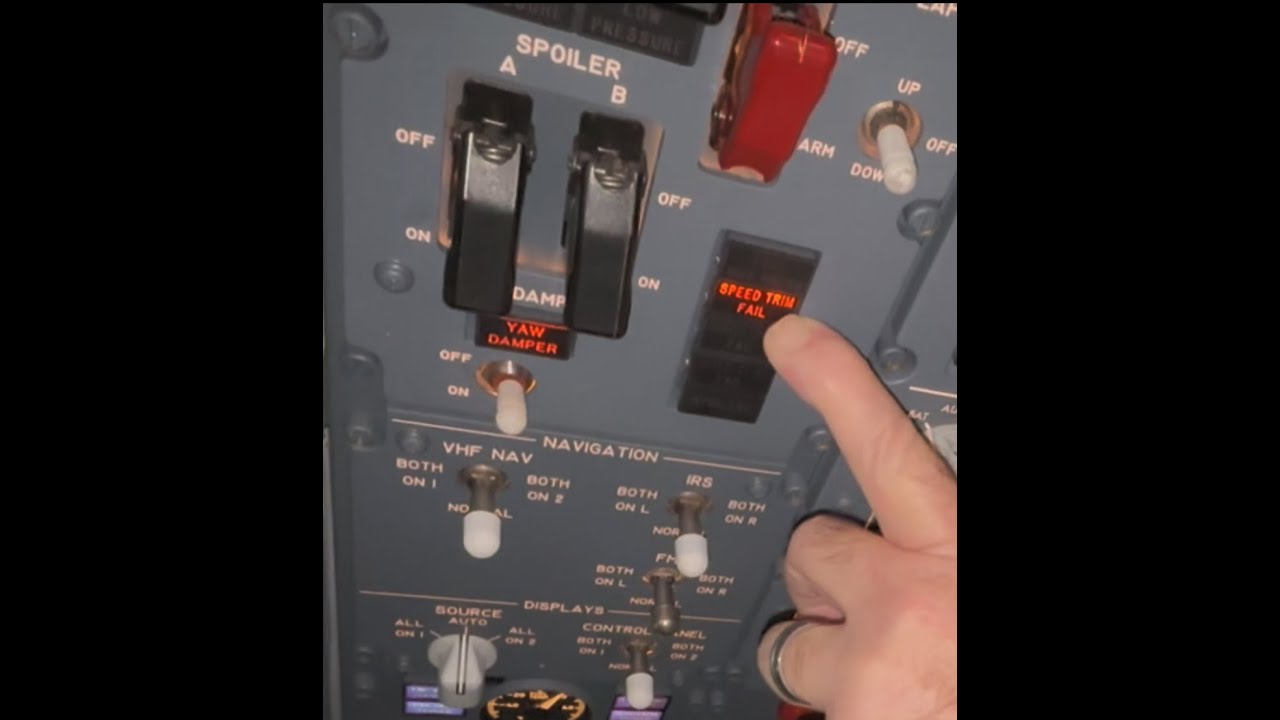 ▶16:19
ATA 22✓ VERIFIED CREATOR
SpeedtrimStab DFCS BITE test32 pass
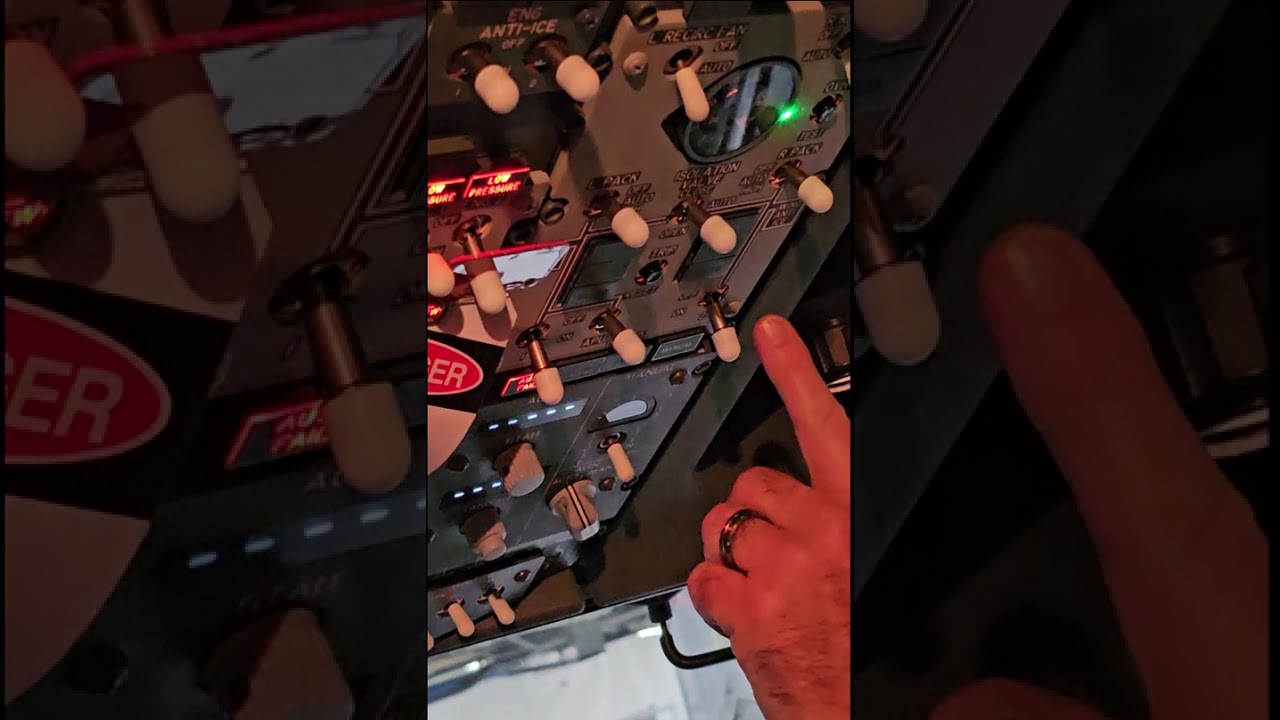 ▶9:25
ATA 36✓ VERIFIED CREATOR
HPSOV MEL 36 11 04
 ▶2:49
ATA 34✓ VERIFIED CREATOR
Nav Data Crossload
 ▶1:01
AIRCRAFT✓ VERIFIED CREATOR
FSEU Bite
 ▶4:02
ATA 27✓ VERIFIED CREATOR
MAX Ground Spoiler Control Test
 ▶3:45
ATA 30✓ VERIFIED CREATOR
Cowl Anti Ice MEL Wittaker
 ▶4:44
ATA 78✓ VERIFIED CREATOR
700 TR lockout
KNOWLEDGE BASE
Browse by ATA chapter →Resources linked to this family
Every card opens the complete internal TechOpsBase resource.
B737 MAX ATA 21 — Air Conditioning Architecture: From Pneumatic Source to Conditioned Cabin
Build the complete ATA 21 mental model: pneumatic supply, packs, mixing/distribution, recirculation, zone control and pressurization as related but distinct functio…
B737 MAX ATA 21 — Air Conditioning Visual Map
A single original TechOpsBase diagram showing how ATA 36 supply air becomes ATA 21 conditioned air, cabin distribution, temperature control and pressurization.
B737 MAX ATA 22 — Digital Flight Control System Architecture: FCC A/B, MCP and the Control Loop
Learn how pilot-selected modes, sensor data, flight-control computers and aircraft response fit together.
B737 MAX ATA 22 — Autoflight Control-Loop Visual Map
An original diagram showing MCP/FMC and sensor inputs feeding FCC A/B, then guidance/autopilot/autothrottle outputs and feedback/status.
B737 MAX ATA 24 — AC Generation: IDGs, Generator Control and the Main Power Sources
Understand how engine-driven generation becomes controlled aircraft AC power and why source quality matters before a bus is energized.
B737 MAX ATA 24 — Electrical Power Visual Map
An original source-to-bus diagram linking IDGs, APU/external power, AC buses, TRUs, DC buses, battery and standby conversion.
B737 MAX ATA 28 — Fuel Storage and Feed Architecture
Trace fuel from main/center tanks through boost-pump and manifold paths toward engines and APU without copying the manufacturer schematic.
B737 MAX ATA 28 — Fuel Feed and Inerting Visual Map
An original diagram linking storage, boost sources, feed/crossfeed paths, APU/engine consumers and the separate ATA 47 inert-gas protection layer.
B737 MAX ATA 34 — ADIRS Architecture: Air Data, Inertial Reference and Sensor Inputs
Build the source-data foundation for navigation, autoflight and many displayed parameters.
B737 MAX ATA 34 — Navigation Data and Consumer Visual Map
An original diagram from air-data/inertial/GPS/radio sensors to ADIRU/FMC processing and consumers such as MDS, DFCS, ATC/ADS-B and TCAS.
B737 MAX ATA 36 — Pneumatic Sources and User Systems
Build the complete source-to-user map before learning individual bleed valves.
B737 MAX ATA 36 — Pneumatic Power Visual Map
An original diagram connecting engine/APU/ground sources, regulation and isolation, left/right manifolds and major user systems.
COMMUNITY Q&A
Open related Q&A →Questions about 737 MAX
See what technicians, students and aviation enthusiasts are asking.
Technical✓ Solved
How can pneumatic-system study remain useful without publishing controlled schematics?
@techops_editorial · 2 answers · 0 votes · ATA 36
Technical✓ Solved
Why is shift handover critical during landing-gear troubleshooting?
@techops_editorial · 1 answers · 0 votes · ATA 32
Technical
What evidence should be stated before comparing 737 MAX messages across configurations?
@techops_editorial · 0 answers · 0 votes
Safety & data control
Why should 737 MAX discussion remain separate from 737 NG assumptions?
@techops_editorial · 0 answers · 0 votes
AIRLINES & OPERATORS
Browse all operators →Operators linked to this aircraft family
Family-level discovery references. Exact fleet and configuration data must be checked with current operator sources.
CREATORS
Browse creators →People covering 737 MAX
Follow creators and educators who publish relevant aircraft content.


MAINTENANCE BOUNDARY
Explore knowledge baseLearn here. Maintain with approved data.
Aircraft facts, videos, resources and community discussions are provided for education and discovery. They do not establish effectivity, maintenance limits, approved procedures, dispatch status, regulatory compliance or authorization.
REVIEWED TECHNICAL CASES
View all related cases →737 MAX troubleshooting lessons
Privacy-cleared and technically reviewed cases connected to this aircraft family.
Lesson learned
TOB-DEMO-320-002
Landing-gear troubleshooting: what a shift handover must preserve
CurrentEducational exampleEducational example
A training case on preventing repeated work and lost evidence when a landing-gear defect passes between maintenance shifts.
What happenedA landing-gear fault remained open at shift change after several tests and one disturbed conne…
What was foundThe next shift could not tell which aircraft configuration existed during each test, which res…
What solved itA structured handover record was created before work continued.
Lesson learned
TOB-DEMO-320-001
Pneumatic indication: separate the symptom from the suspected component
CurrentEducational exampleEducational example
A training example showing how to preserve the original indication, compare related evidence and avoid replacing a component before the fault is defined.
What happenedA pneumatic-system indication was reported and the first assumption was that a named valve had…
What was foundThe indication alone did not prove the valve had failed. Related indications, operating condit…
What solved itThe troubleshooting plan was rewritten around evidence and approved fault-isolation data rathe…