Educational familiarization only. This TechOpsBase resource is an original learning transformation grounded in a privately supplied B737 MAX ATA 31 source. It does not reproduce manufacturer task steps, limits, figures or controlled maintenance instructions. Current approved data and aircraft effectivity control real work.
What this resource teaches
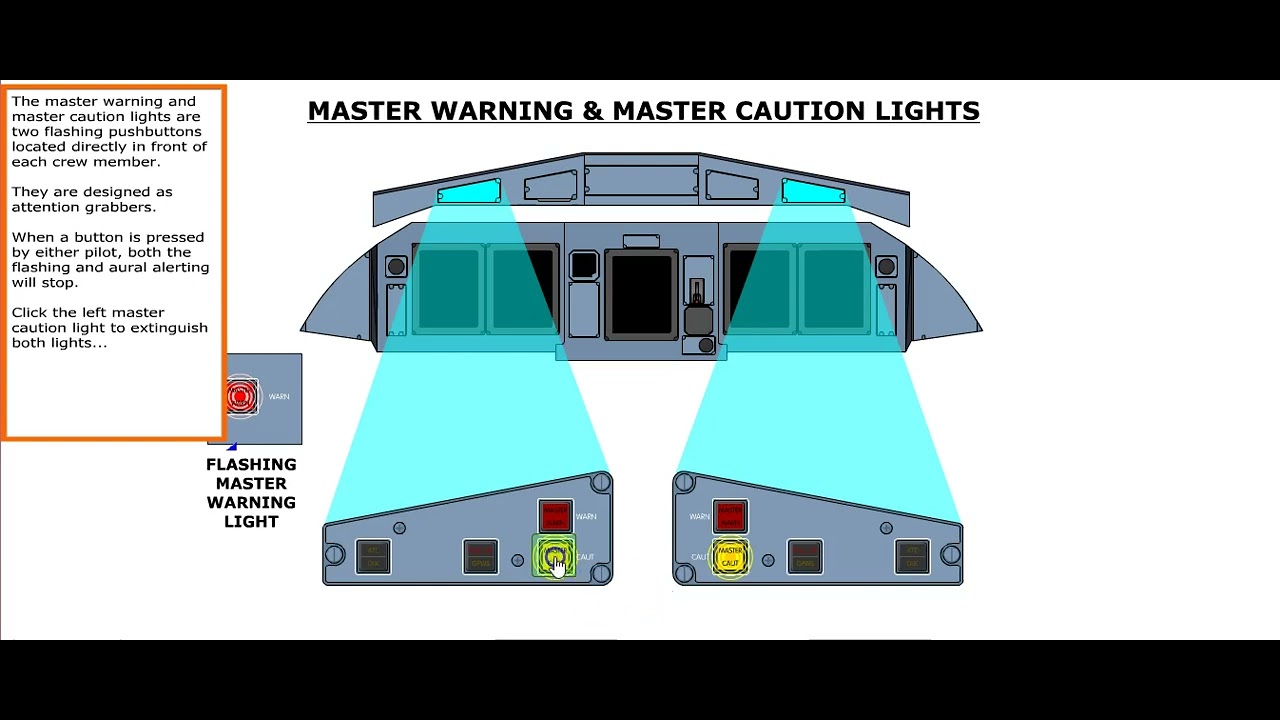
Connect MAINT/status messages, aural/takeoff/landing warning functions and display selection without assuming every warning is generated in one place.
Warnings and status are system outputs
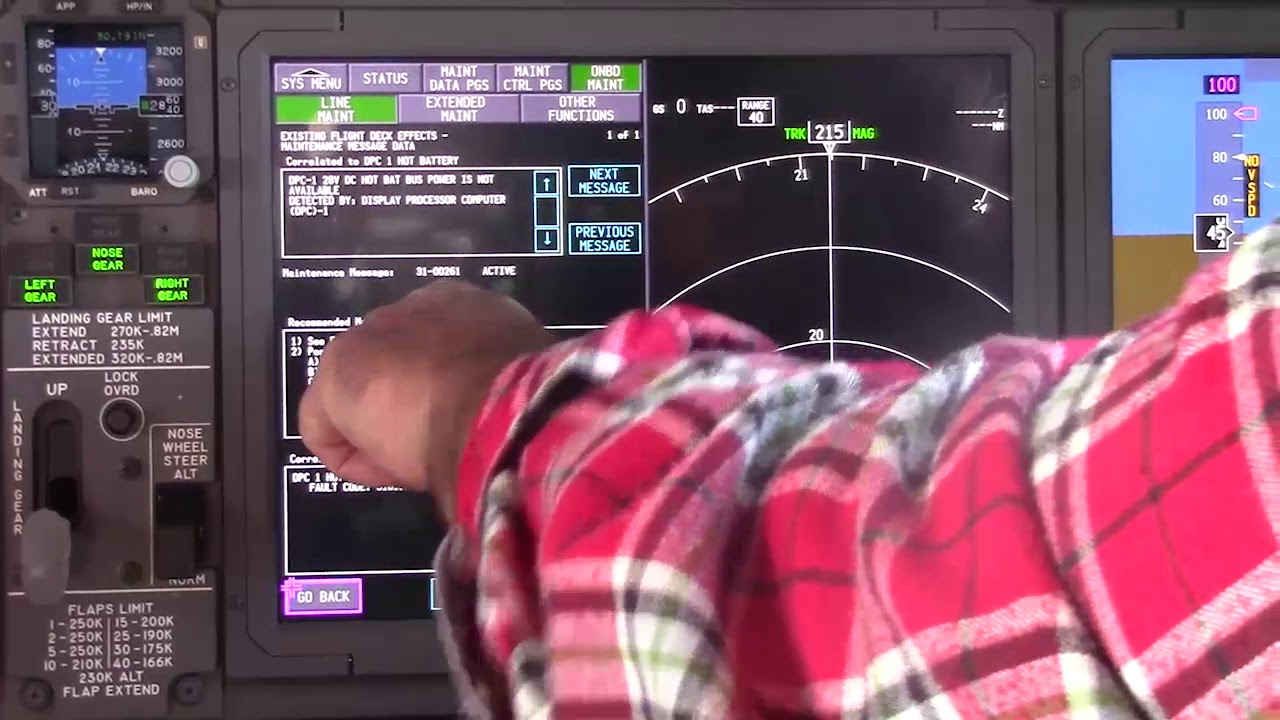
ATA 31 includes aural warning, landing/takeoff warning functions and the MAINT/status interface. These functions collect conditions from elsewhere and present them to crew/maintenance.
The MAINT light is a maintenance decision cue
The source says active unconfirmed status messages can drive the MAINT light and require maintenance evaluation/confirmation or repair depending on permitted dispatch relief. TechOpsBase does not reproduce those dispatch steps; the learning point is that a light can represent multiple underlying messages.
Display reversion adds resilience
The chapter contains dispatch/degraded-display content for inboard/outboard display units. A failed screen does not necessarily mean all underlying data is lost; display-selection/reversion architecture can preserve essential information.
Source versus presentation
If one display presentation is wrong while the same data appears correctly elsewhere, the hypothesis shifts toward display/selection/processing. If the source parameter is wrong across displays, move upstream.
Cross-system reasoning
Warnings are often the end of a sensing/control chain that began in another ATA. Use ATA 31 to locate the message, then return to the source system for fault isolation.
Put this topic into the wider system
Maintenance pages preserve time context
Real-time data and stored snapshots answer different questions. A transient event may be gone by the time maintenance arrives, so preserved AUTO/MANUAL snapshots can be more valuable than a normal current reading. Always record the event timing and operating condition with the data.
Software/configuration is a real failure class
Modern display systems are software-configured. A CONFIG state, wrong loadable software or incompatible option can create a functional issue without a physically failed LRU. This is why configuration evidence should be checked before hardware assumptions become expensive.
Deeper system reasoning
ATA 31 connects maintenance across the airplane
The maintenance-data selection includes multiple ATA systems, so ATA 31 becomes an observation hub for aircraft maintenance rather than the owner of every message it displays. The chapter also references ATA 46/ONS for software/data functions and IFIM/WDM for approved diagnosis. Good reasoning therefore identifies the source ATA/LRU/interface first, then uses MDS information to narrow the approved troubleshooting path.
Technician evidence matrix
Record which display/presentation is affected, whether source data is wrong elsewhere, DPC/DU/configuration status, REAL versus snapshot evidence and relevant maintenance messages.
Before using a maintenance message as a conclusion, note what independent evidence agrees with it and what evidence does not. If an alternate source, channel or display changes the symptom, record that explicitly because it can separate a common path from a source-specific path. Preserve configuration and event conditions in the handover so the next technician does not have to rebuild the diagnostic context from memory.
Evidence-first study method
For any system complaint, separate source/input, control logic, physical response, sensing/indication and consumer/result. When two layers disagree, that disagreement is useful evidence. Do not turn that evidence into a maintenance action until the applicable approved fault-isolation or maintenance data is open.
Approved-data boundary
Educational system explanation only. Do not use this page to perform maintenance, operate aircraft systems, isolate components or determine dispatch status. Current approved maintenance data, aircraft effectivity and operator procedures control real aircraft work.