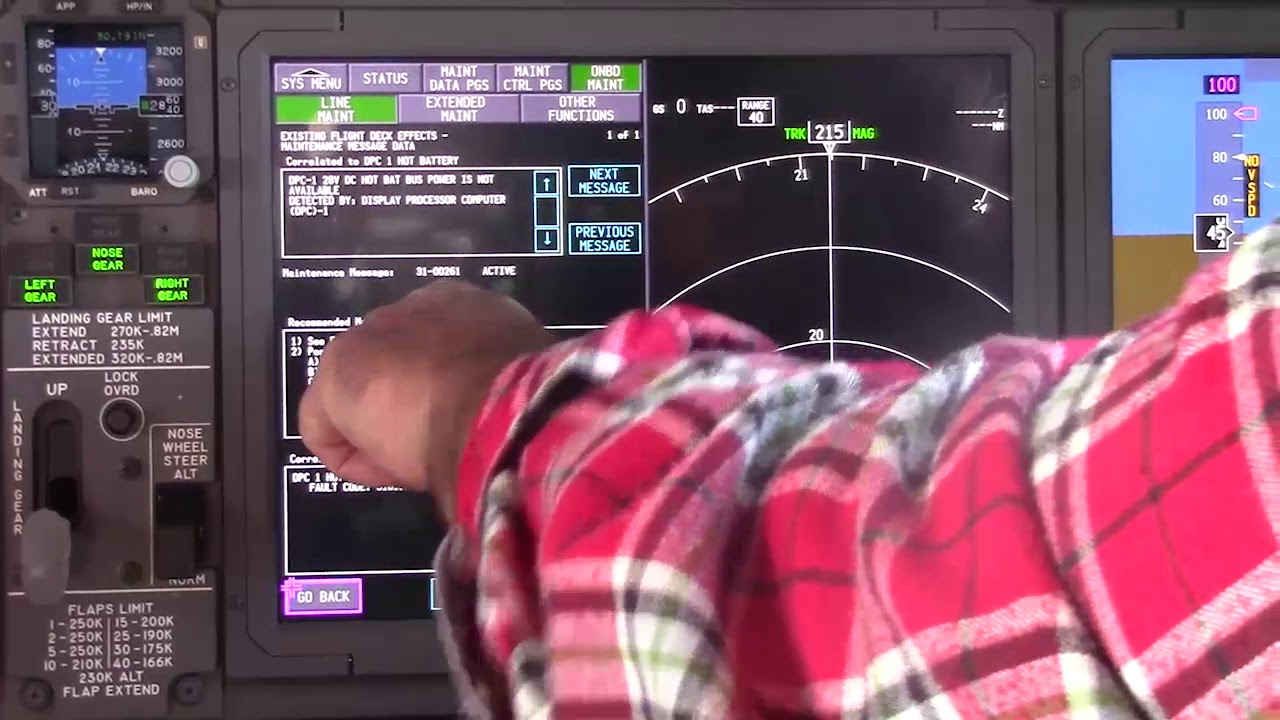
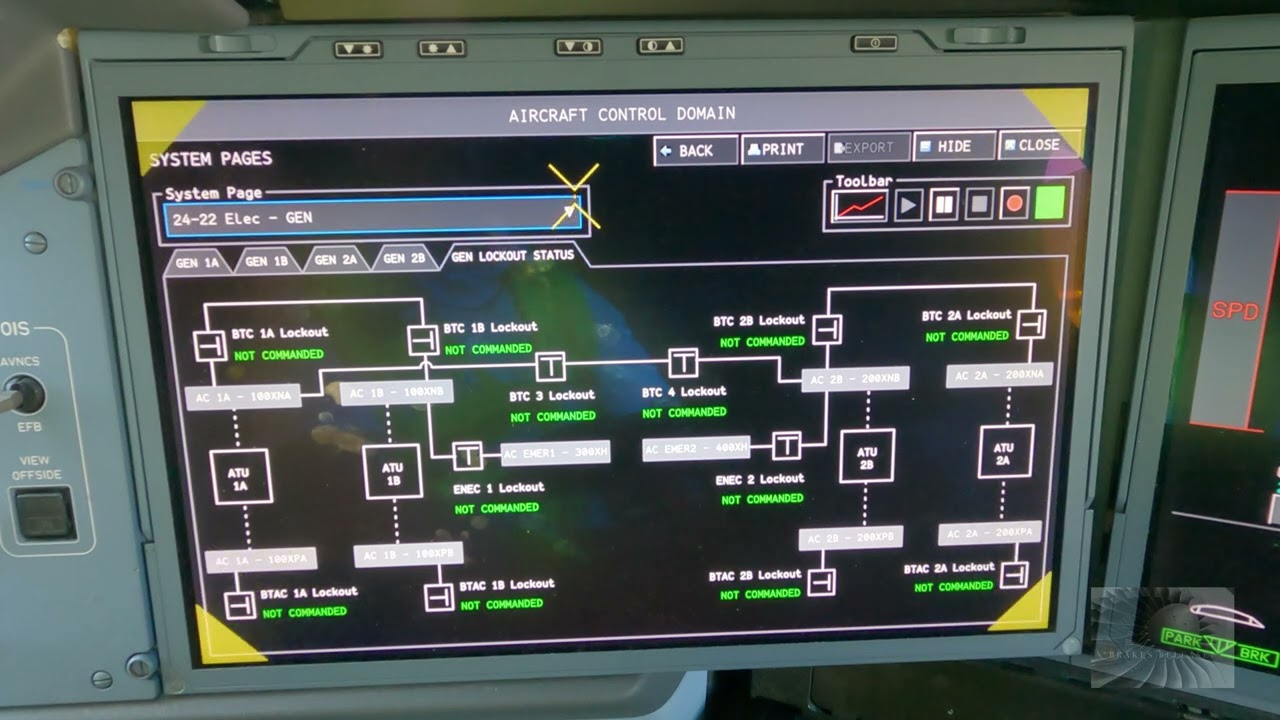
Educational familiarization only. This TechOpsBase resource is an original learning transformation grounded in a privately supplied B737 MAX ATA 24 source. It does not reproduce manufacturer task steps, limits, figures or controlled maintenance instructions. Current approved data and aircraft effectivity control real work.
What this resource teaches
Understand how AC generation supports DC buses and how the battery adds stored energy and continuity.
Most DC power is converted
ATA 24 includes transformer rectifier units (TRUs), which convert AC electrical power into DC for DC buses and loads. That means a DC problem can originate on the AC source side, the conversion stage or the downstream DC distribution.
The battery is a different kind of source
Unlike a generator, the battery stores chemical energy and can support selected electrical functions when normal generated power is unavailable. Battery condition, charging and connection logic therefore form their own evidence chain.
Charging is not the same as supplying
A charger can maintain battery condition when normal power is present, while the battery can later become an active source under specified conditions. Learn these as separate operating roles rather than one vague “battery system.”
Use bus grouping
If several DC loads fail, check whether they share a DC bus or conversion source before assuming multiple independent load failures. If AC supply to a TRU is absent, the DC symptom can be secondary.
Reasoning model
AC source ? AC bus ? TRU/conversion ? DC bus ? load. Battery/storage may enter the chain at selected points. That model is more durable than memorizing panel labels.
Put this topic into the wider system
Generated, converted and stored energy are different
IDG/APU/external sources provide or deliver AC energy, TRUs convert AC to DC, and the battery stores energy. Keeping those roles distinct helps explain why an apparently DC-only symptom can have an upstream AC cause and why standby power can depend on conversion between domains.
Source substitution is diagnostic evidence
Multiple AC sources let maintenance distinguish source-specific problems from common distribution problems. If one accepted source powers a bus correctly while another does not, the hypothesis shifts upstream toward the failed source or its control/connection path. If no source can power the same bus, the shared distribution path deserves more attention.
Deeper system reasoning
Separate generation, conversion and storage
ATA 24 contains AC generation, transformer-rectifier units, batteries/chargers and standby power. Those are different energy roles. IDG/APU/external sources provide AC power; TRUs convert AC to DC; batteries store DC energy; standby architecture selects or converts sources so essential loads can remain powered. This separation matters because a DC symptom can originate in AC supply or conversion, while a standby complaint can involve battery condition, static-inverter/SPCU logic, or the normal source path rather than one simple “battery problem.”
Technician evidence matrix
Record active/available sources, which bus/load group is affected, whether an alternate source changes the symptom, conversion/battery state and whether the indication agrees with actual load operation.
Before using a maintenance message as a conclusion, note what independent evidence agrees with it and what evidence does not. If an alternate source, channel or display changes the symptom, record that explicitly because it can separate a common path from a source-specific path. Preserve configuration and event conditions in the handover so the next technician does not have to rebuild the diagnostic context from memory.
Evidence-first study method
For any system complaint, separate source/input, control logic, physical response, sensing/indication and consumer/result. When two layers disagree, that disagreement is useful evidence. Do not turn that evidence into a maintenance action until the applicable approved fault-isolation or maintenance data is open.
Approved-data boundary
Educational system explanation only. Do not use this page to perform maintenance, operate aircraft systems, isolate components or determine dispatch status. Current approved maintenance data, aircraft effectivity and operator procedures control real aircraft work.