Educational familiarization only. This TechOpsBase resource is an original learning transformation grounded in a privately supplied B737 MAX ATA 34 source. It does not reproduce manufacturer task steps, limits, figures or controlled maintenance instructions. Current approved data and aircraft effectivity control real work.
What this resource teaches
Build the source-data foundation for navigation, autoflight and many displayed parameters.
ADIRS combines two information families
The chapter separates inertial-reference and air-data functions within the Air Data Inertial Reference System. Inertial data describes attitude/heading/motion; air-data functions derive information from pitot/static and related sensor inputs.
ADIRUs are processing hubs
The source includes left/right ADIRUs plus pitot/static air-data modules and angle-of-attack sensors. This means a displayed or autoflight symptom can originate at a sensor, interface or ADIRU processing layer.
Redundancy matters
Left/right systems and source-selection tests provide resilience and a troubleshooting comparison. Agreement/disagreement between independent channels can be valuable evidence.
Cooling and display dependencies cross ATA boundaries
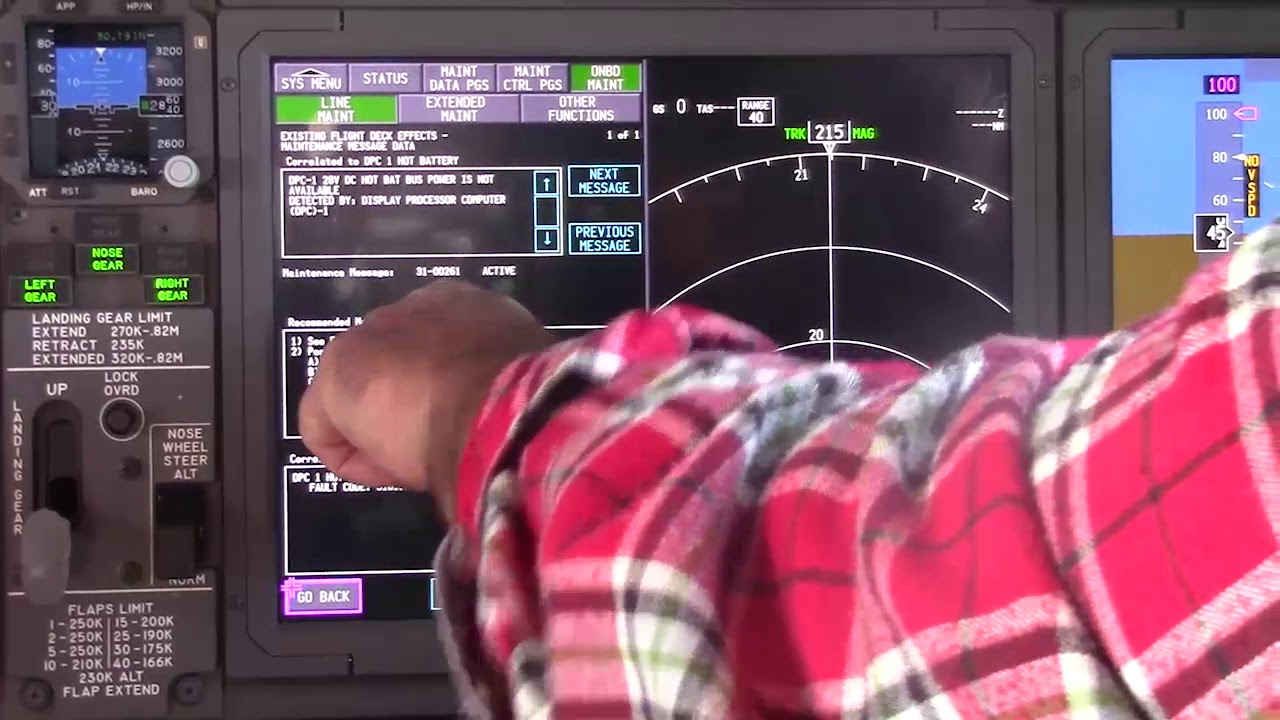
ADIRS tests reference ATA 21 equipment cooling and ATA 31 MDS operation. Navigation-data availability is therefore not isolated from aircraft electrical/cooling/display infrastructure.
Reasoning chain
Physical air/inertial condition ? sensor/ADM/AOA input ? ADIRU processing ? data buses ? consumers such as displays, autoflight, ATC and FMC.
Put this topic into the wider system
Independent sources are valuable comparators
Left/right ADIRUs, radio sources and GPS-supported functions create opportunities to compare independent information. Agreement between independent sources strengthens confidence; disagreement helps identify which data chain deserves approved testing.
Validity matters as much as availability
A navigation computer or sensor can be powered and communicating yet provide data that is invalid for the current state. Alignment, source selection and built-in tests are ways the aircraft establishes or checks validity—not merely whether a box is switched on.
Deeper system reasoning
Navigation integration makes cross-ATA reasoning mandatory
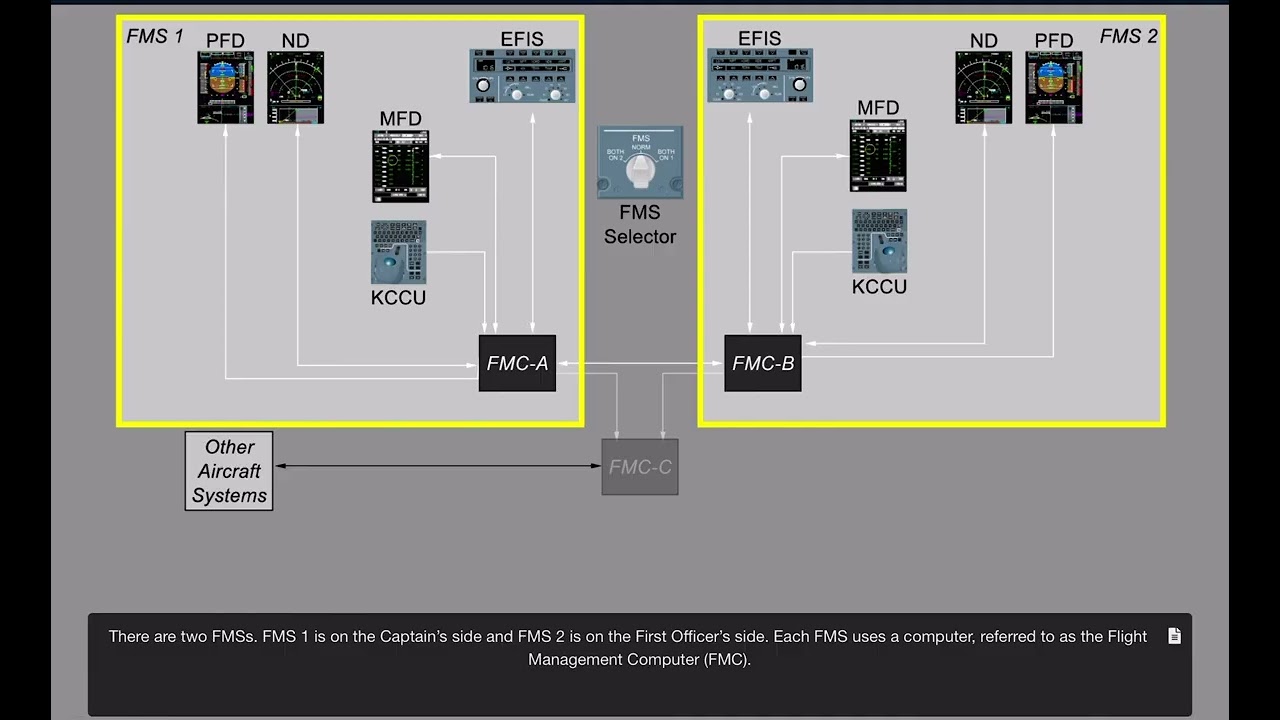
ATC/ADS-B tests depend on DFCS, ADIRS, ILS, ATC and FMCS; TCAS tests depend on air data, ATC, display and radio-altimeter serviceability. ADIRS tests also reference equipment cooling and MDS. These relationships demonstrate why integrated-avionics symptoms do not respect one ATA boundary. Map producers, processing, buses and consumers, compare independent sources, then hand off to the approved IFIM/WDM/test procedure.
ADIRS is a shared data foundation
ATA 34 combines air-data and inertial-reference processing through left/right ADIRUs with pitot/static air-data modules, angle-of-attack inputs and related sensors. Those outputs feed many consumers. A bad parameter on several independent downstream systems can therefore be a shared upstream-data problem rather than several separate display/autoflight failures. Left/right source comparison is one of the most useful conceptual tools in this chapter.
Technician evidence matrix
Record the specific data item that is wrong, left/right source comparison, ADIRS/alignment/source validity, GPS/radio availability and which consumers show the same symptom.
Before using a maintenance message as a conclusion, note what independent evidence agrees with it and what evidence does not. If an alternate source, channel or display changes the symptom, record that explicitly because it can separate a common path from a source-specific path. Preserve configuration and event conditions in the handover so the next technician does not have to rebuild the diagnostic context from memory.
Evidence-first study method
For any system complaint, separate source/input, control logic, physical response, sensing/indication and consumer/result. When two layers disagree, that disagreement is useful evidence. Do not turn that evidence into a maintenance action until the applicable approved fault-isolation or maintenance data is open.
Approved-data boundary
Educational system explanation only. Do not use this page to perform maintenance, operate aircraft systems, isolate components or determine dispatch status. Current approved maintenance data, aircraft effectivity and operator procedures control real aircraft work.