Educational familiarization only. This TechOpsBase resource is an original learning transformation grounded in a privately supplied B737 MAX ATA 36 source. It does not reproduce manufacturer task steps, limits, figures or controlled maintenance instructions. Current approved data and aircraft effectivity control real work.
What this resource teaches
Understand the regulated path from engine bleed source to manifold without memorizing maintenance test steps.
Engine bleed is actively controlled
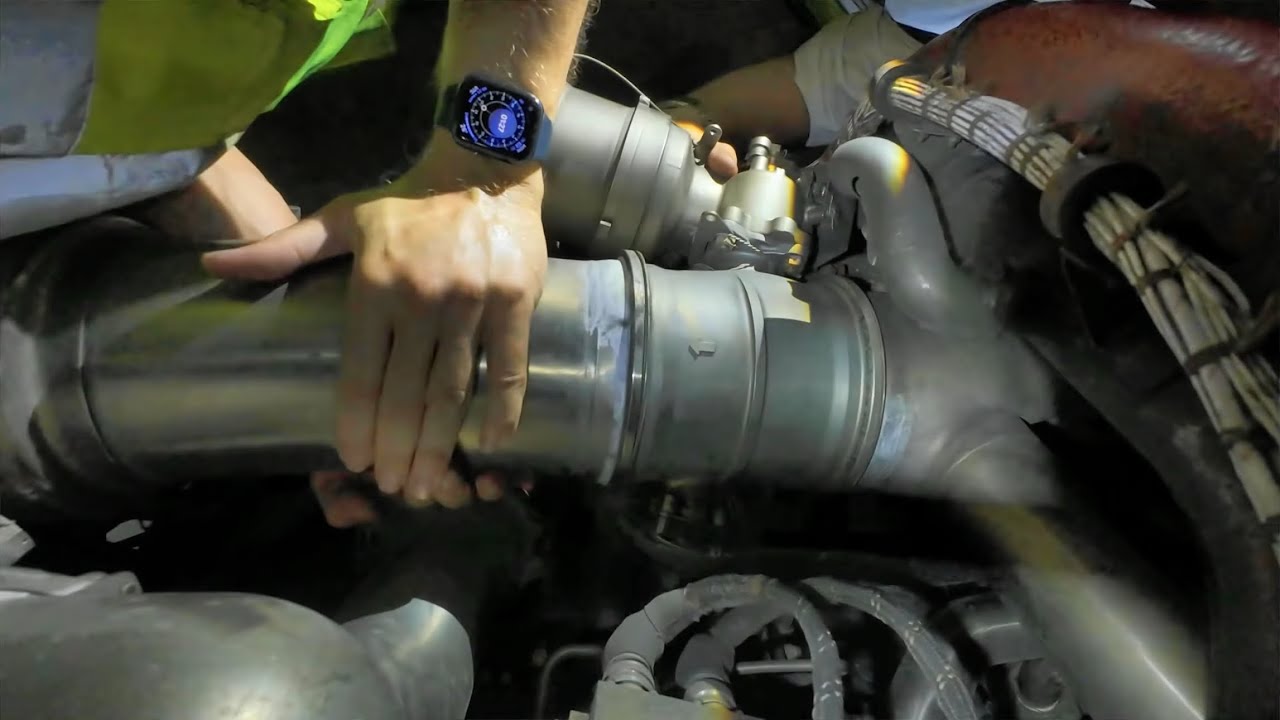
The supplied chapter identifies intermediate-pressure check valves (IPCV), high-pressure shutoff valves (HPSOV) and pressure-regulating/shutoff valves (PRSOV). Each contributes a different function in selecting, controlling or isolating bleed air.
Regulation and shutoff are different ideas
The PRSOV name itself captures two roles: regulate the delivered pressure and provide a shutoff function. A valve can therefore be part of both normal control and protection.
High-stage/intermediate source behavior
The engine source path can use different pressure regions depending on engine condition. The HPSOV and IPCV participate in that source-selection architecture; the exact schedules are controlled-data topics.
Precooling protects downstream users
The engine bleed path includes precooler/temperature-control context. Hot compressor bleed needs thermal management before it is appropriate for downstream aircraft ducting and users.
Reasoning with evidence
Compare upstream pressure, regulated/manifold pressure, valve command/position and downstream user response. A difference between intermediate and manifold pressure can be useful evidence, but approved maintenance data determines limits and actions.
Put this topic into the wider system
Valve position needs context
IPCV, HPSOV, PRSOV and isolation-valve positions depend on source condition, controller logic and configuration. A position that is correct in one state can be wrong in another, so never judge valve health from a memorized “normal” position without context.
Pressure and temperature are different protection dimensions
Bleed air is both high pressure and high temperature. Regulation, precooling and protection logic manage different physical risks. A pressure symptom and an overtemperature trip can share hardware but should not be treated as the same failure mechanism.
Deeper system reasoning
Pressure, temperature and indication should be logged separately
Pneumatic faults can involve insufficient pressure, excessive pressure, overtemperature, leakage or an indication/control issue. The chapter provides duct-pressure indication and maintenance/BITE functions along with health/leak checks. A technician should therefore record actual source configuration, duct-pressure evidence, affected users and protection/status messages as separate streams. The approved IFIM/AMM then determines the test path; TechOpsBase only teaches how to organize the evidence.
Map every pneumatic source before chasing a user
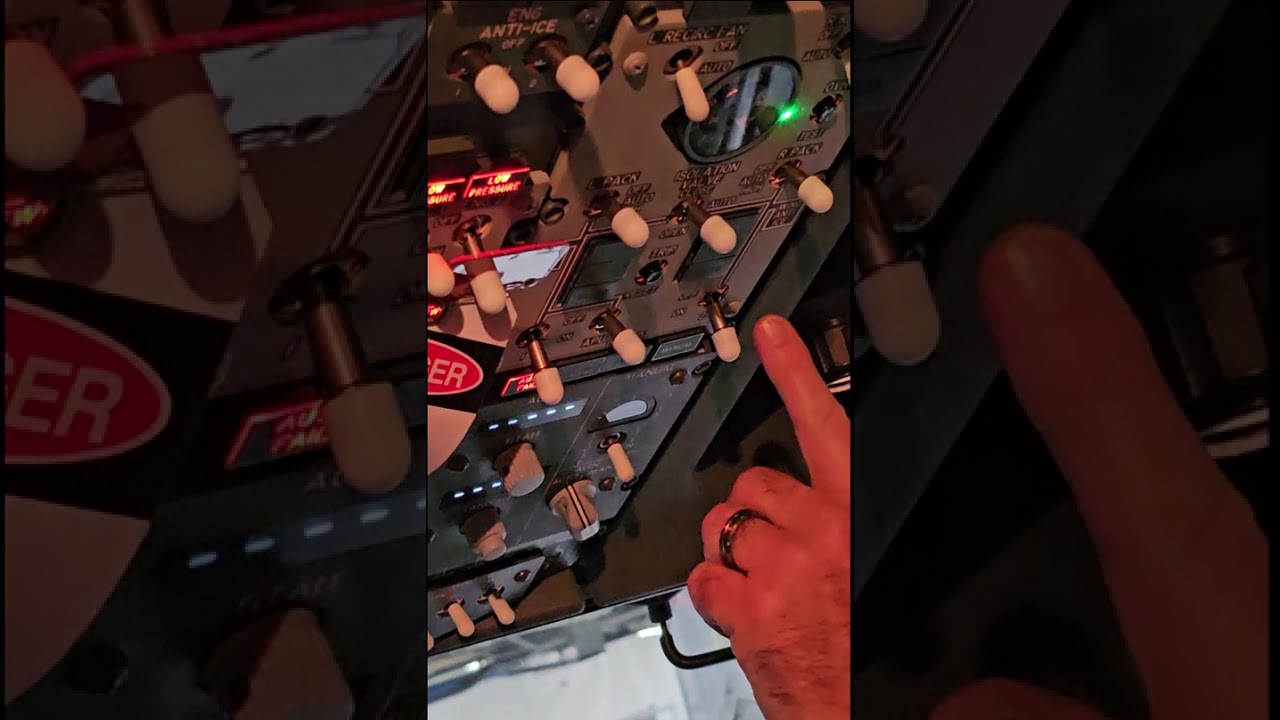
The chapter supports external ground air, APU bleed and one or both engines as ways to pressurize the pneumatic system. Downstream users include the air-conditioning packs, engine and wing anti-ice, engine starting, hydraulic-reservoir pressurization and water-tank pressurization. This shared-source architecture is diagnostically valuable: several users weak on one side suggest a source/manifold issue, while one user weak with normal manifold evidence points farther downstream.
Technician evidence matrix
Record active source, engine/APU/ground configuration, isolation/manifold state, duct-pressure evidence, affected users on each side and any protection/BITE indication.
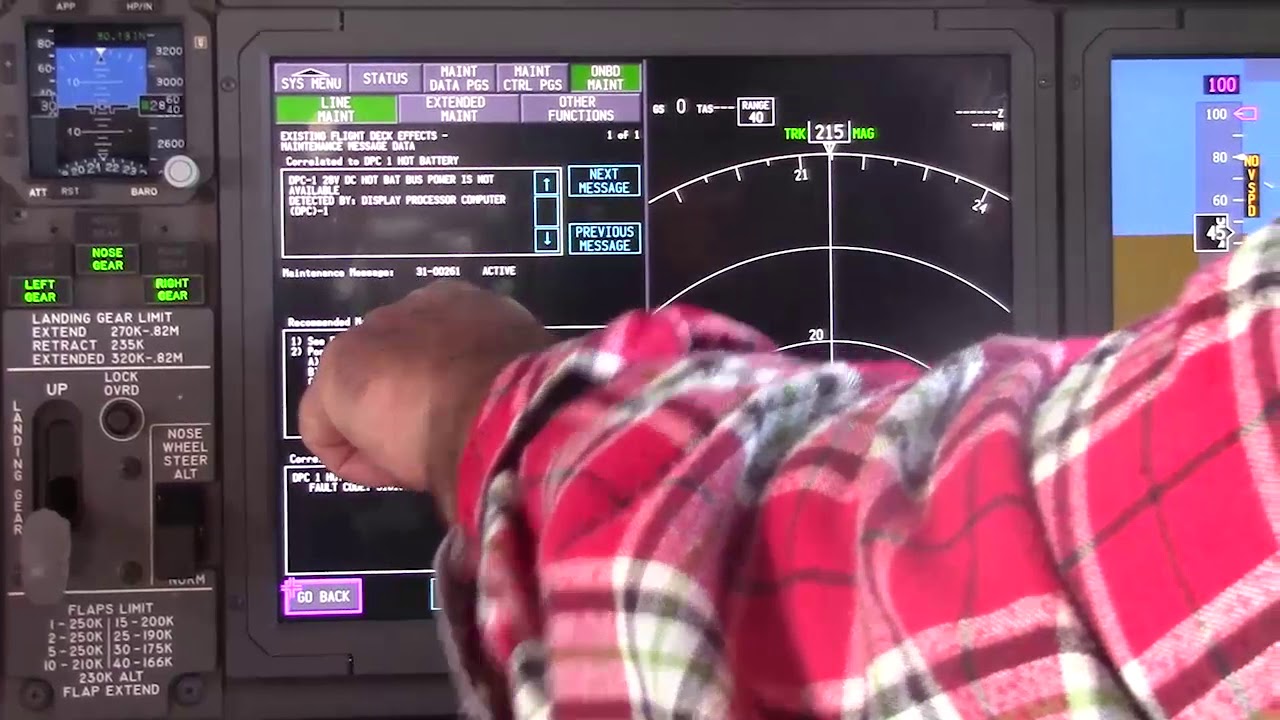
Before using a maintenance message as a conclusion, note what independent evidence agrees with it and what evidence does not. If an alternate source, channel or display changes the symptom, record that explicitly because it can separate a common path from a source-specific path. Preserve configuration and event conditions in the handover so the next technician does not have to rebuild the diagnostic context from memory.
Evidence-first study method
For any system complaint, separate source/input, control logic, physical response, sensing/indication and consumer/result. When two layers disagree, that disagreement is useful evidence. Do not turn that evidence into a maintenance action until the applicable approved fault-isolation or maintenance data is open.
Approved-data boundary
Educational system explanation only. Do not use this page to perform maintenance, operate aircraft systems, isolate components or determine dispatch status. Current approved maintenance data, aircraft effectivity and operator procedures control real aircraft work.