Educational familiarization only. This TechOpsBase resource is an original learning transformation grounded in a privately supplied B737 MAX ATA 28 source. It does not reproduce manufacturer task steps, limits, figures or controlled maintenance instructions. Current approved data and aircraft effectivity control real work.
What this resource teaches
Learn why center-tank fuel management is more than simply turning center pumps on and off.
Center tank has its own boost sources
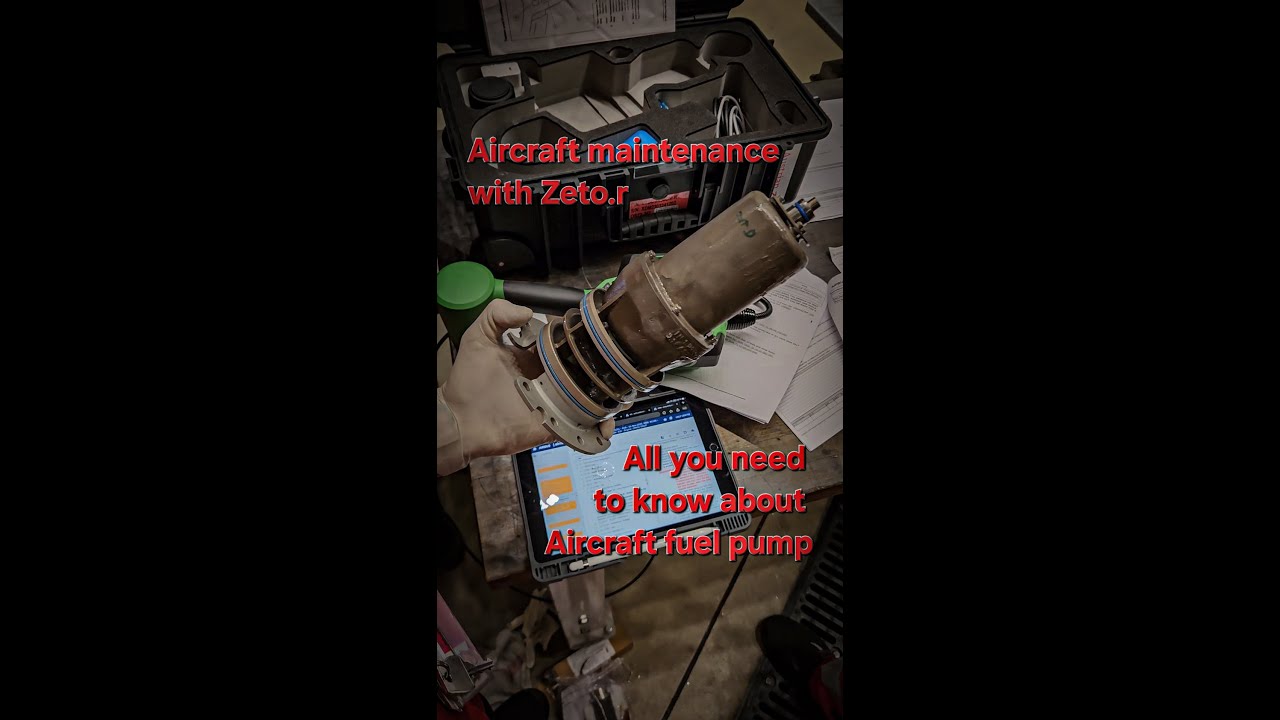
The source identifies two center-tank boost pumps and auto-shutoff test content. This means center-tank operation includes both hydraulic fuel flow and electrical/control logic.
Scavenge moves residual fuel
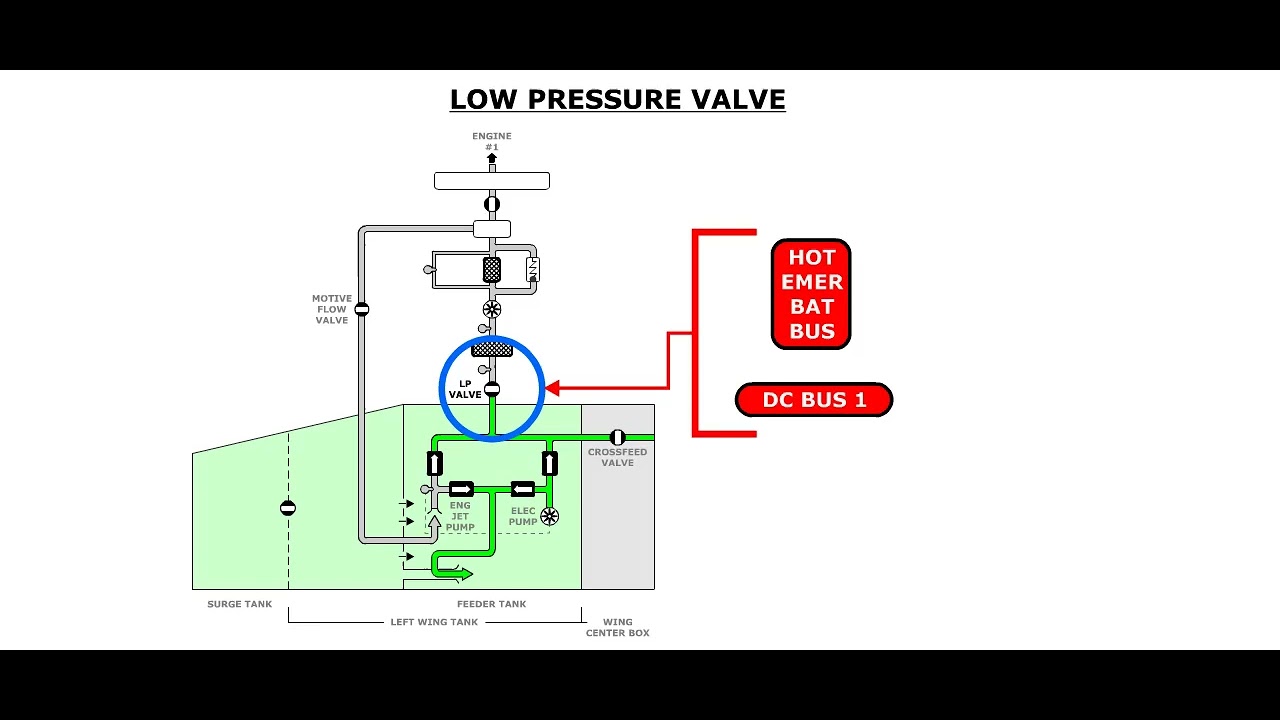
ATA 28 contains fuel-scavenge behavior that transfers residual center-tank fuel toward a main-tank/feed environment. The learning point is that passive/jet-pump style transfer can continue even when a main electric boost source is not the direct mover.
Automatic logic protects the system
The center-pump auto-shutoff circuits are specifically tested in the source. Rather than reproducing conditions, learn that pump operation is supervised by control logic intended to prevent inappropriate continued operation.
Quantity and source selection interact
Fuel quantity is not just an indication topic; it can determine which source should be useful and whether certain pump behaviors make sense. Quantity evidence should therefore be part of the feed-system picture.
Cross-ATA relationship
Fuel system operation depends on electrical power (ATA 24), interfaces with the APU (ATA 49) and is protected by inerting/ignition-prevention features associated with ATA 47.
Put this topic into the wider system
Quantity and feed answer different questions
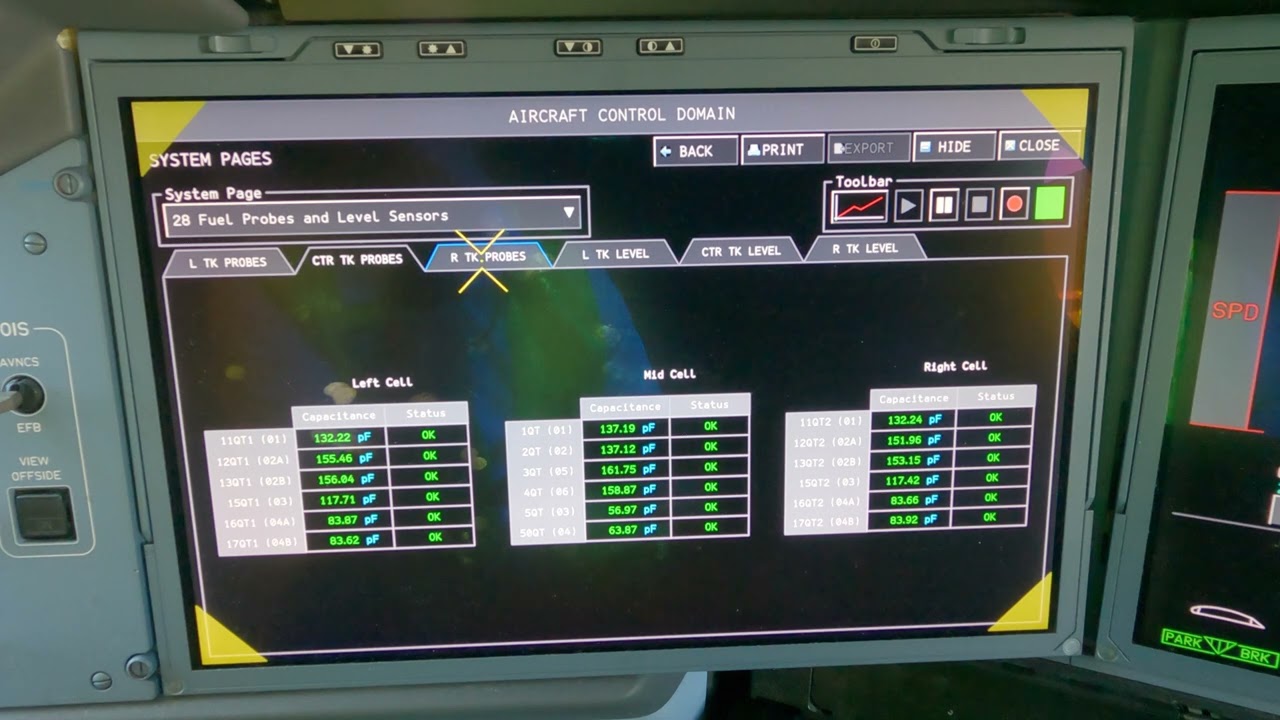
Fuel quantity tells the system/technician how much fuel is sensed in a tank. Feed performance tells whether usable fuel reaches a consumer under the current configuration. The two are related but not interchangeable evidence streams.
Fuel safety is functional architecture
Bonding, ignition-source control, venting, configuration control and inerting are not administrative extras. They preserve the assumptions under which the tank was shown to be safe. Maintenance that disturbs those assumptions can affect airworthiness even if the fuel-feed function appears normal.
Deeper system reasoning
Fuel safety is part of the functional model
ATA 28 includes bonding/static-control and airworthiness-limitation material because preventing ignition sources is integral to fuel-system safety. Tank work, pump electrical interfaces and bonding paths cannot be reduced to “does the pump operate.” The learning value is to recognize that configuration control, electrical bonding and the inerting relationship with ATA 47 protect assumptions that are just as important as feed performance. Exact limits and maintenance steps remain in approved data.
Technician evidence matrix
Record tank quantity, expected pump/source, valve/manifold connectivity, affected consumer, crossfeed configuration and whether the symptom follows the source or remains with the path/consumer.
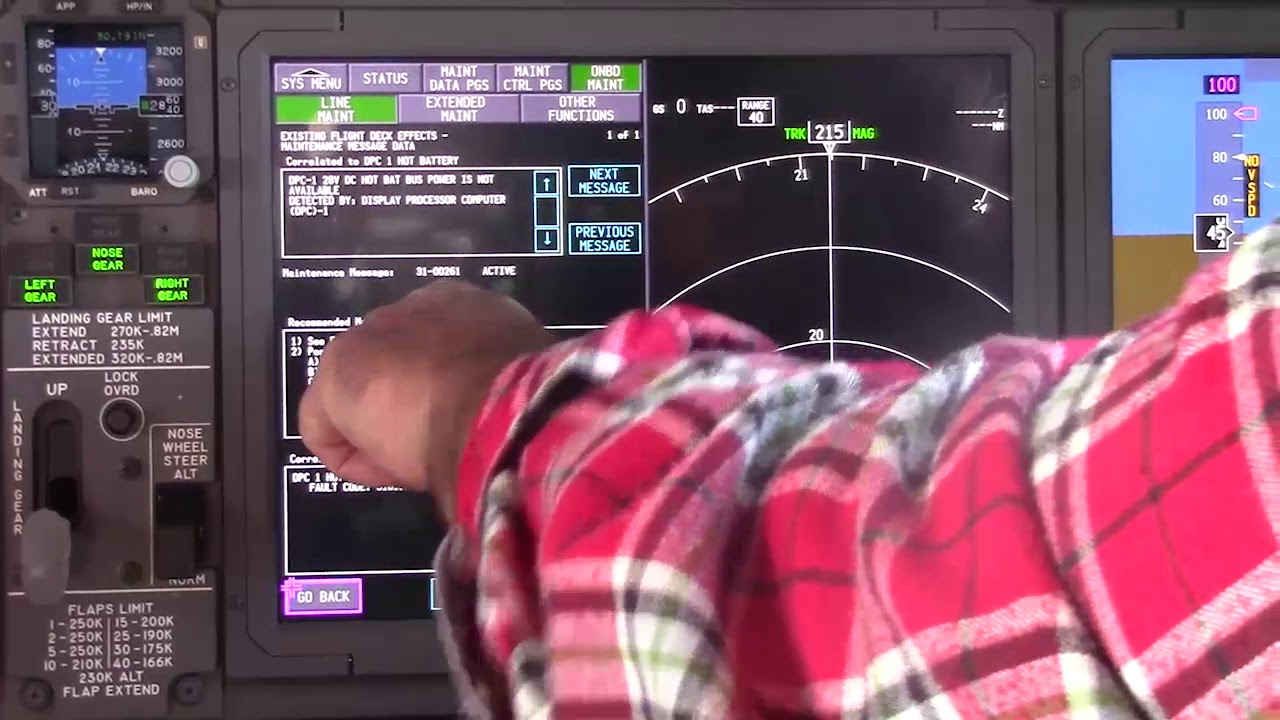
Before using a maintenance message as a conclusion, note what independent evidence agrees with it and what evidence does not. If an alternate source, channel or display changes the symptom, record that explicitly because it can separate a common path from a source-specific path. Preserve configuration and event conditions in the handover so the next technician does not have to rebuild the diagnostic context from memory.
Evidence-first study method
For any system complaint, separate source/input, control logic, physical response, sensing/indication and consumer/result. When two layers disagree, that disagreement is useful evidence. Do not turn that evidence into a maintenance action until the applicable approved fault-isolation or maintenance data is open.
Approved-data boundary
Educational system explanation only. Do not use this page to perform maintenance, operate aircraft systems, isolate components or determine dispatch status. Current approved maintenance data, aircraft effectivity and operator procedures control real aircraft work.